Struggling with bulky, inefficient UV ballasts? The high energy bills and complex setups are frustrating. A modern solution offers simplicity, efficiency, and smarter control for your industrial processes.
Electronic ballasts are the superior choice for modern UV systems. They offer higher efficiency (up to 95%), stepless power control1, simpler wiring, and intelligent features like soft start2 and pre-alarms3. This leads to energy savings, longer lamp life, and better process control over older magnetic ballasts4.
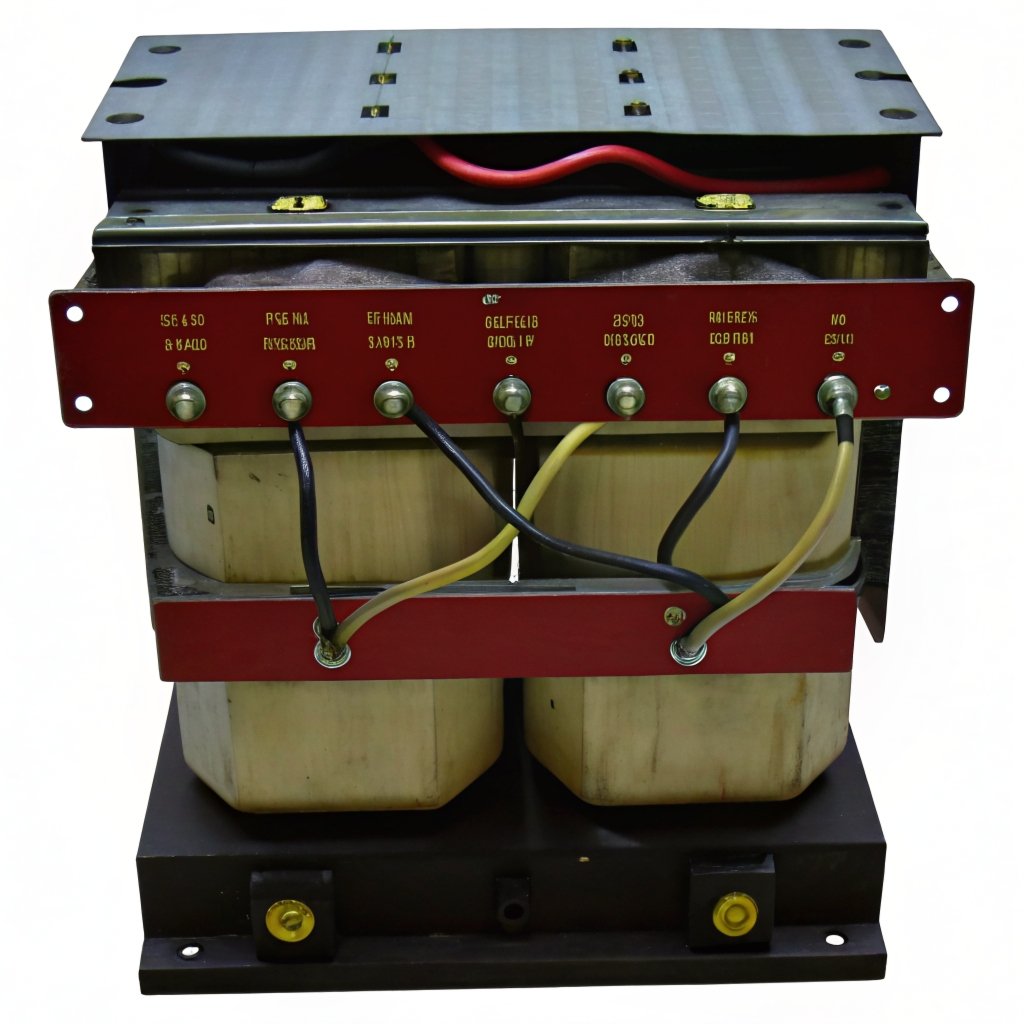
Choosing the right ballast is crucial for your UV curing system's performance. It affects everything from energy consumption to the lifespan of your expensive UV lamps. I've spent years working with both technologies, and the differences are stark. Let's break down why the industry is moving away from the old standard and what you need to know to make the best choice for your operation.
Are Magnetic Ballasts Becoming Obsolete?
Worried your old magnetic ballast is holding you back? Its weight, size, and extra components create installation headaches. It's time to consider why this technology is being phased out.
Yes, magnetic ballasts are becoming obsolete in many industrial UV applications. While cheaper upfront, their bulkiness, need for external capacitors, and lower efficiency make them less practical. Modern electronic ballasts offer a more compact, integrated, and cost-effective solution over the long term.
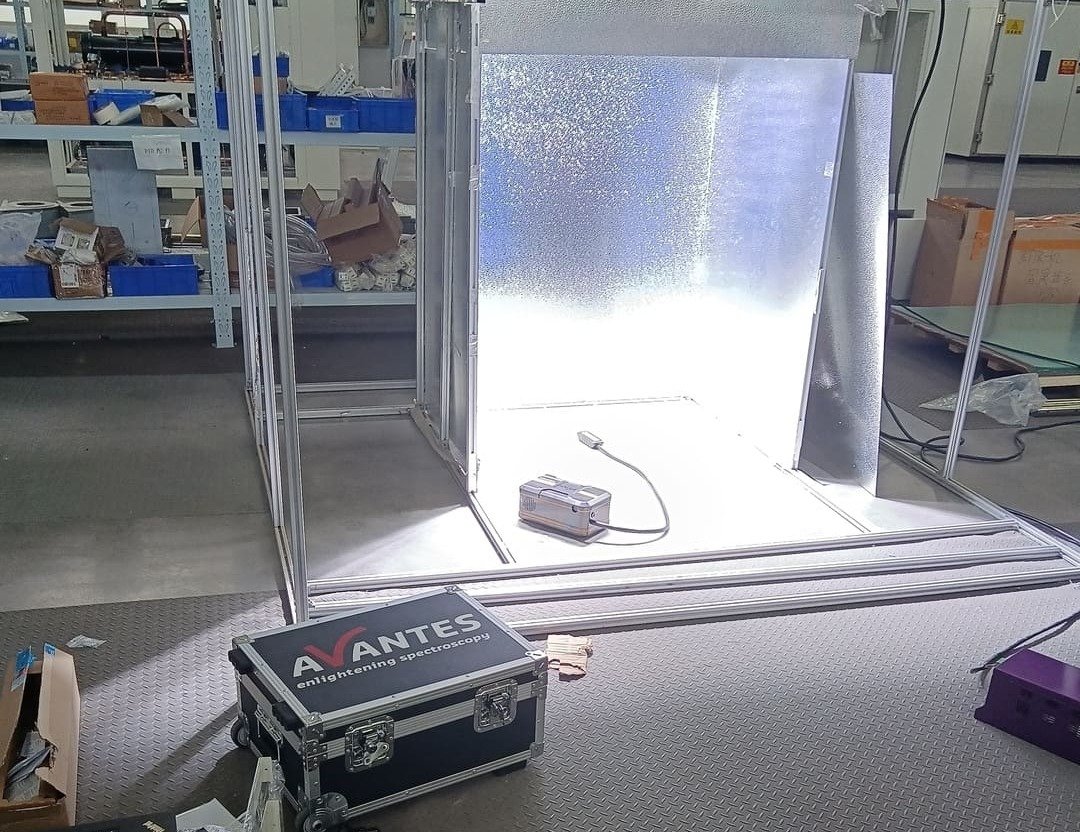
For decades, magnetic ballasts were the only game in town. They are simple, tough, and get the job done. However, their design is a classic example of old technology that has been surpassed. In my early days, installing these heavy units was often a two-person job, and finding enough cabinet space was a constant challenge.
The Physical Burden
The most obvious drawback of a magnetic ballast is its physical size and weight. It's essentially a large iron-core transformer, which makes it incredibly heavy. But the space issue doesn't stop there. These ballasts require a separate, large capacitor to function correctly. This adds another component to mount, more wiring to connect, and another potential point of failure. The total footprint for a magnetic ballast system is significantly larger than its modern counterpart.
The Cost Illusion
Many people are initially attracted to the lower purchase price of a magnetic ballast. However, this upfront saving is quickly lost over the life of the unit. The real cost of a component is its total cost of ownership, which includes energy, maintenance, and replacement parts.
| Feature | Magnetic Ballast | Electronic Ballast |
|---|---|---|
| Initial Price | Lower | Higher |
| Energy Cost | Higher | Lower (up to 95% efficiency) |
| Lamp Replacement | More Frequent | Less Frequent (soft start2) |
| Installation Space | Large | Compact |
| Maintenance | Higher (capacitor, etc.) | Lower |
As you can see, the "cheaper" option ends up costing you much more in electricity, frequent lamp replacements, and valuable machine space.
Why Are Electronic Ballasts More Efficient and Smarter?
Is your UV process inconsistent? Unpredictable power output and sudden lamp failures can ruin production runs. A smarter ballast provides the control and protection you need for reliable results.
Electronic ballasts are more efficient and smarter due to their advanced design. They operate at high frequencies with up to 95% efficiency, saving energy. Features like soft start2, stepless power control1, and built-in monitoring with pre-alarms3 provide superior protection and precise process management.
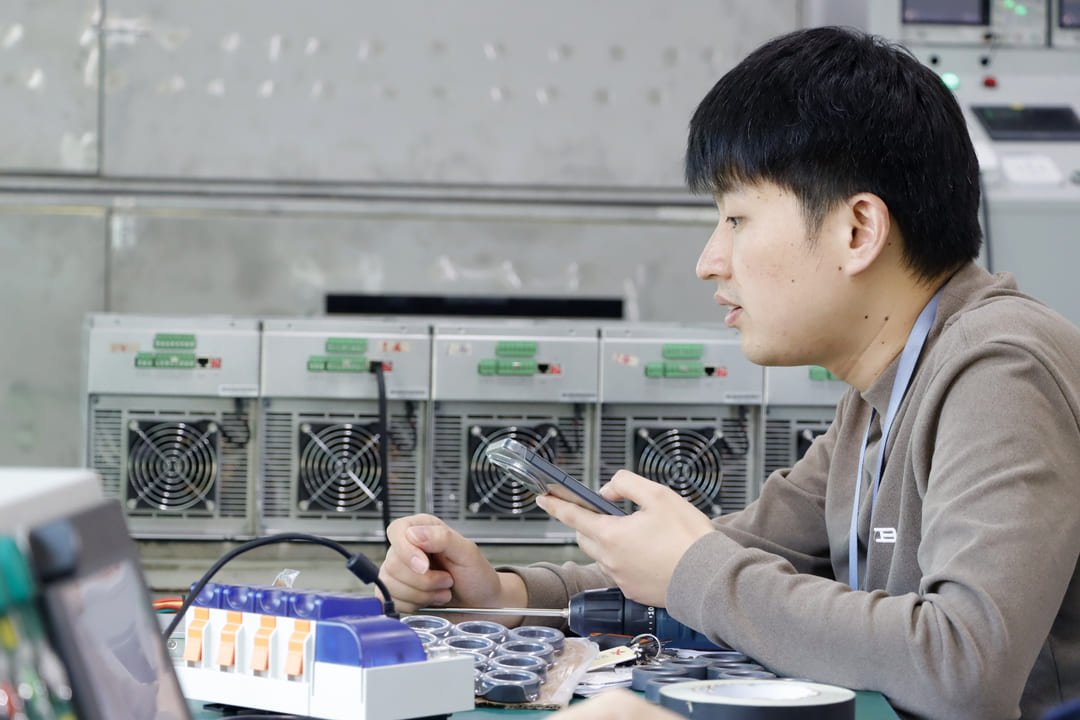
When I talk to clients about upgrading, the conversation quickly moves to the intelligent features of electronic ballasts. These aren't just power converters; they are the brains of a modern UV system. They provide a level of control and feedback that was impossible with older magnetic technology. This translates directly into better product quality, less waste, and lower operational stress.
Unlocking Peak Efficiency
The headline feature is the efficiency. An electronic ballast can be up to 95% efficient, meaning almost all the electricity it draws is used to power the lamp. Magnetic ballasts are far less efficient and waste a lot of energy as heat. Electronic ballasts also produce a high-frequency square wave output. This provides a very stable arc inside the UV lamp, which results in consistent, flicker-free UV output for a more uniform cure. Furthermore, many models have an automatic standby mode. When the production line stops and no product is passing under the lamp, the ballast automatically drops to a low-power state, saving a significant amount of energy.
The Brains of the Operation
The "smart" features are what truly set electronic ballasts apart.
- Soft Start: This function gently ramps up the power to the lamp when it's turned on. This reduces the initial thermal and electrical shock to the lamp's filaments, which is a primary cause of failure. This one feature can dramatically extend the life of your expensive UV lamps.
- Stepless Power Control: Instead of being limited to a few power settings, you can adjust the output smoothly from low to high power. This allows you to fine-tune the UV dose for different materials and line speeds.
- Monitoring and Alarms: A built-in operating panel lets you see the lamp's status, power level, and operating hours at a glance. More importantly, pre-alarm functions can warn you if a lamp is nearing the end of its life or if a problem is detected. This allows you to schedule maintenance before a failure shuts down your entire production line. It's like having a constant health check-up for your UV system.
How Does Wiring and Installation Compare Between Ballast Types?
Tired of complicated wiring diagrams and bulky installations? Finding space in your machine for a ballast, capacitor, and ignitor is a challenge. There is a much simpler, all-in-one solution.
Installing an electronic ballast is much simpler than a magnetic one. Electronic ballasts integrate the ignitor and don't require a separate, large capacitor. This results in less wiring, a smaller physical footprint, and a much cleaner, faster installation process for any UV system.
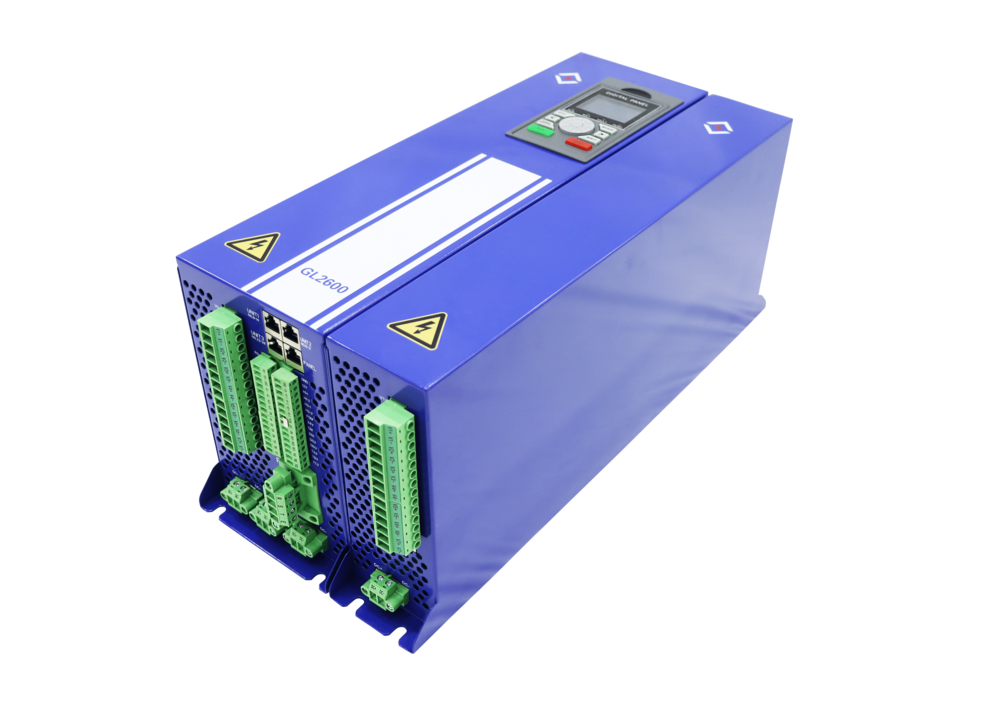
For any UV system integrator or machine builder, installation time and complexity are major cost factors. The difference between installing an old magnetic system and a modern electronic one is night and day. I remember spending hours tracing wires and mounting multiple heavy components for a single UV lamp. Today, the process is streamlined, faster, and far more reliable from the start.
The Magnetic Ballast Maze
A typical magnetic ballast setup involves at least two, and often three, separate components. You have the main ballast transformer itself, which is very heavy. You have a large, bulky capacitor that must be wired to it. And sometimes, you also have a separate high-voltage ignitor box. All three of these parts need to be mounted securely inside your equipment, and they all need to be wired together correctly. This creates a web of connections, increasing the chances of a wiring error and making future troubleshooting much more difficult.
The Electronic Ballast Advantage
The electronic ballast simplifies this dramatically. It's an all-in-one solution. The ignitor circuitry is built directly into the unit, so you don't need a separate box. It also operates in a way that doesn't require a large external power factor correction capacitor. The result is a single, compact, and relatively lightweight unit. You have your main power input on one side and the lamp output on the other. It's straightforward, clean, and fast.
| Component | Magnetic Ballast Setup | Electronic Ballast Setup |
|---|---|---|
| Main Ballast Unit | ✓ | ✓ |
| External Capacitor | ✓ | 𐄂 |
| External Ignitor | Sometimes ✓ | 𐄂 |
| Wiring Complexity | High | Low |
| Space Required | Large | Small |
This simplicity saves hours in labor costs during machine assembly and makes maintenance much easier down the road.
What Is the Next Evolution After Electronic Ballasts?
Even with efficient electronic ballasts, are you concerned about heat and energy use? The next step in UV technology offers even greater savings and safety for your workplace.
The next evolution is the UV LED power supply. UV LED systems are even more energy-efficient than traditional UV lamps with electronic ballasts. They are a "cold" light source, improving safety and allowing for curing on heat-sensitive materials.

Technology never stands still. The move from magnetic to electronic ballasts was a huge leap forward for traditional UV arc lamps. Now, the entire industry is experiencing another major shift. The evolution is very similar to what we all saw in the general lighting industry. First, we had inefficient incandescent bulbs. Then came more efficient fluorescent tubes, which required a ballast. Now, everything is moving to highly efficient, long-lasting LED lights. The exact same transition is happening in the industrial UV world. The move is from mercury arc lamps to UV LED systems.
The Rise of UV LED
UV LED technology, powered by specialized UV LED power supplies, is the new standard for many applications, especially in high-tech fields like printing, electronics, and chemical processing.
- Unmatched Energy Savings: LEDs are incredibly efficient. They convert a higher percentage of electricity directly into usable UV light, and they offer instant on/off control. There is no warm-up time and no need for standby power. They only use energy when they are actively curing a product.
- Safety and "Cold Curing": Traditional arc lamps produce a lot of infrared energy, meaning they get very hot. This is a major problem when curing inks or coatings on heat-sensitive materials like thin plastics or paper. UV LEDs are a "cold light source5." They emit very little heat, which has opened up new possibilities for our clients working with delicate substrates.
- Longevity and Control: A UV LED system can last for tens of thousands of hours, far longer than any arc lamp. This drastically reduces maintenance costs and machine downtime.
Just as you wouldn't install incandescent bulbs in a new factory today, forward-thinking companies are now choosing UV LED as the modern, efficient, and reliable solution for their curing needs.
Conclusion
In short, electronic ballasts outperform magnetic ones in efficiency, control, and ease of installation. The industry is now evolving further toward even more efficient UV LED technology.
1.Discover how stepless power control allows for precise adjustments in UV output, improving process quality. ↩
Understand how the soft start feature extends lamp life and enhances performance in UV systems. ↩
Find out how pre-alarms can prevent unexpected failures and improve maintenance scheduling. ↩
Investigate the reasons behind the decline of magnetic ballasts in favor of modern alternatives. ↩
Understand the advantages of cold light sources in UV curing applications, especially for heat-sensitive materials. ↩